 EN

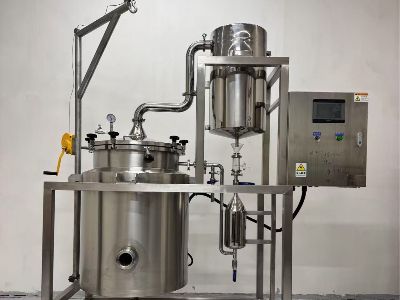
Hydrosol distillation equipment plays a crucial role in ensuring consistent botanical extraction, particularly in industries such as food, pharmaceuticals, and cosmetics. This equipment is designed to extract essential oils, fragrances, and active compounds from various plant materials through precise distillation processes. B2B buyers, including purchasing managers and engineers, often seek reliable information on performance, specifications, and sourcing to make informed decisions. This article aims to clarify how hydrosol distillation equipment supports consistent botanical extraction, covering essential specifications, sourcing suppliers, selection criteria, installation guidance, and common extraction challenges
Key Specifications to Consider for Hydrosol Distillation Systems
When evaluating hydrosol distillation systems, several key specifications are critical to ensuring optimal performance and consistency in botanical extraction
Material Quality: The materials used in the construction of the distillation unit significantly impact durability and product purity. Stainless steel is commonly preferred due to its resistance to corrosion and ability to maintain hygienic conditions. Buyers should ensure that the materials comply with relevant industry standards, especially for food and pharmaceutical applications
Capacity and Scale: The production capacity of the equipment should align with the intended application. Whether for pilot, lab-scale, or full-scale production, understanding the throughput is essential for operational efficiency. Evaluate the system's ability to process the desired quantity of botanical material without compromising extraction quality
Temperature Control: Precise temperature control is vital for effective extraction. Systems should ideally offer adjustable temperature settings to optimize the extraction of specific compounds without degrading sensitive materials. This feature helps maintain the integrity of the botanicals being processed
Distillation Method: Different methods such as steam distillation, water distillation, or vacuum distillation yield varying results. Buyers should assess which method best suits their specific extraction goals, as the method chosen can affect the quality and characteristics of the final product
Efficiency and Recovery Rates: Efficient systems maximize yield while minimizing waste. Buyers should inquire about the recovery rates of essential oils or active compounds and the overall energy efficiency of the equipment. High recovery rates are essential for cost-effective operations
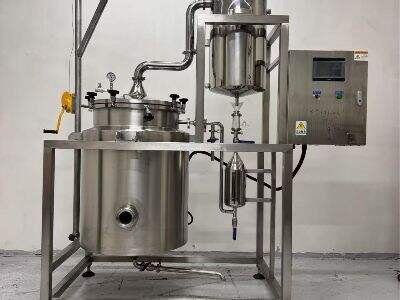
Where to Source Reliable Hydrosol Distillation Equipment Suppliers
Finding a reliable supplier for hydrosol distillation equipment is crucial for ensuring quality and consistency in production. Here are several strategies for sourcing reputable suppliers
Industry Networks and Trade Shows: Participating in industry trade shows and networking events can provide direct access to manufacturers and suppliers. Engaging with industry professionals allows buyers to assess the reputation and credibility of potential suppliers
Online Research and Reviews: Conduct thorough online research to identify suppliers with a strong online presence. Look for reviews and testimonials from other businesses that have purchased similar equipment. This feedback can provide insights into the reliability and performance of the equipment
Certifications and Compliance: Verify suppliers' certifications and adherence to industry standards, such as ISO certifications. This ensures that the equipment meets quality and safety regulations, which is especially important for food and pharmaceutical applications
Customization Capabilities: Inquire whether suppliers offer customization options tailored to specific extraction requirements. A supplier with the ability to adapt equipment to unique needs may provide a more suitable solution for your business
Post-Purchase Support: Investigate the level of customer support and after-sales services offered by the supplier. Reliable technical support and maintenance services can significantly enhance the longevity and performance of the equipment
How to Choose the Right Hydrosol Distillation Equipment for Your Needs
Selecting the right hydrosol distillation equipment involves careful consideration of various factors tailored to your specific extraction requirements
Application Suitability: Assess the specific botanicals you intend to extract and their unique properties. Different materials may require specific distillation techniques, so aligning equipment capabilities with botanical characteristics is essential
Production Goals: Define your production goals, including anticipated volume and desired extraction efficiency. If you plan to scale up operations, consider investing in equipment that can accommodate future growth
Budget Constraints: Establish a budget that encompasses not only the initial purchase cost but also operational costs, maintenance, and potential upgrades. Cost-effective equipment with a good ROI is preferable
Operational Complexity: Consider the complexity of the equipment and the skill level of your operational team. Equipment that is easier to operate and maintain can reduce training time and operational disruptions
Supplier Reputation: Choose a supplier with a solid reputation for delivering high-quality equipment and reliable customer support. A trusted supplier can provide valuable insights and assistance throughout the purchasing process
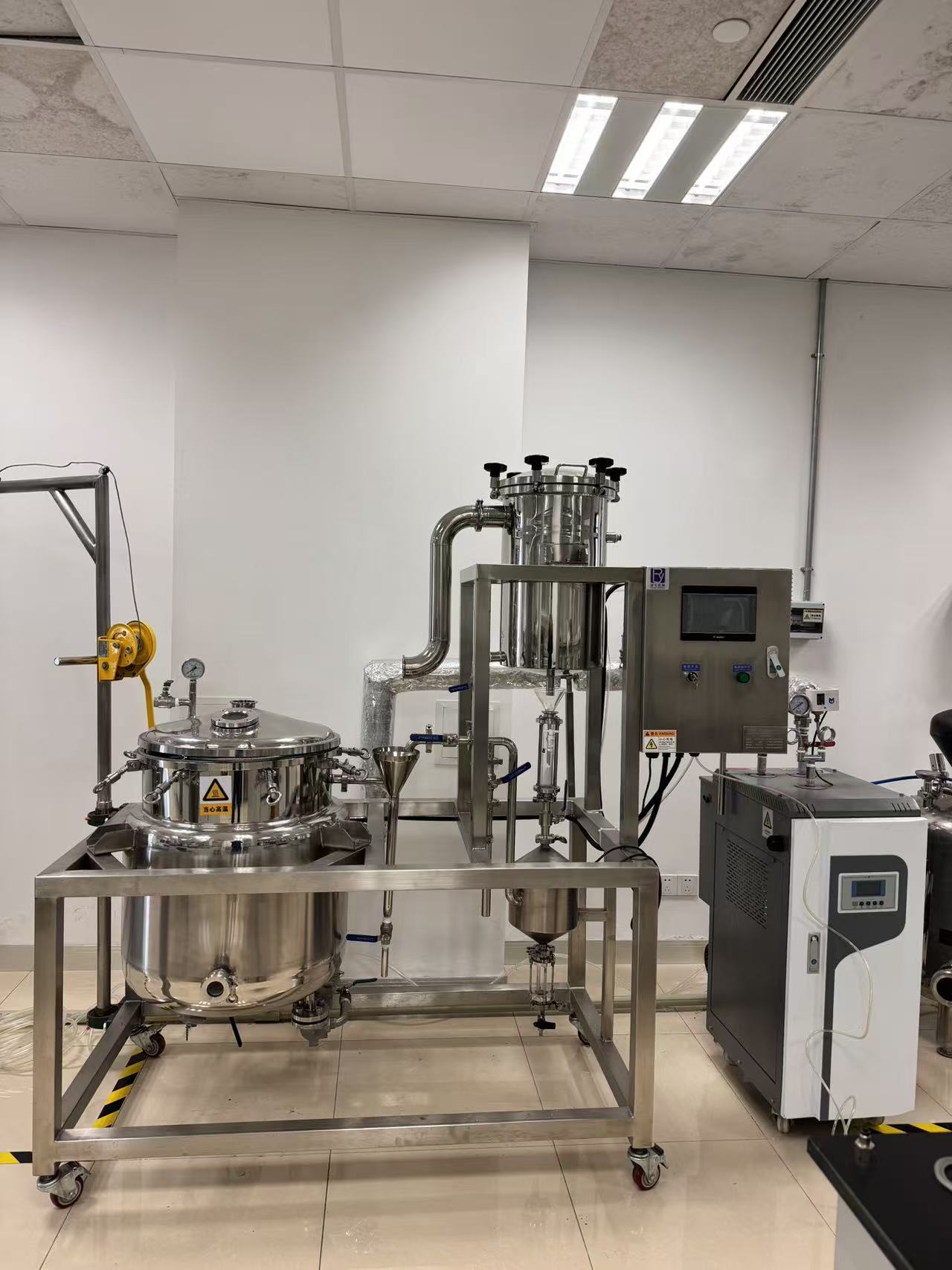
Installation Guidance for Efficient Hydrosol Distillation Processes
Proper installation of hydrosol distillation equipment is critical for achieving optimal performance. Here are key considerations for a successful installation
Site Preparation: Ensure that the installation site meets the necessary requirements, including adequate space, ventilation, and access to utilities such as water and electricity. A well-organized installation site facilitates smoother operations
Follow Manufacturer Guidelines: Adhere strictly to the manufacturer's installation instructions. This includes assembling components correctly, ensuring seals are tight, and confirming that all connections are secure to prevent leaks or malfunctions
Calibration and Testing: Once installed, conduct thorough testing and calibration of the equipment. This step helps identify any potential issues before commencing production and ensures that temperature, pressure, and flow rates meet specifications
Staff Training: Provide comprehensive training for operational staff on equipment functionality, safety protocols, and maintenance procedures. Well-trained personnel can optimize the extraction process and reduce the risk of operational errors
Regular Maintenance Schedule: Establish a regular maintenance schedule to ensure ongoing equipment performance. Routine checks help identify wear and tear that could affect operation, allowing for timely interventions
Common Problems in Botanical Extraction and Their Solutions
Even with advanced hydrosol distillation equipment, several challenges can arise during botanical extraction. Here are common problems and practical solutions
Inconsistent Yield: Variability in yield can result from fluctuations in temperature or pressure during extraction. Implementing real-time monitoring systems can help maintain consistent conditions, ensuring reliable extraction rates
Quality Degradation: Sensitive botanicals may degrade if exposed to excessive heat or prolonged extraction times. Using equipment with precise temperature controls can mitigate this risk, preserving the integrity of the extracted compounds
Blockages in Distillation Pathways: Residue buildup can obstruct distillation pathways, leading to reduced efficiency. Regular cleaning and maintenance of the system are essential to prevent blockages and ensure smooth operation
Material Compatibility Issues: Certain botanicals may react adversely with the materials used in the distillation equipment. Conduct compatibility tests before full-scale production to prevent contamination or adverse reactions
Operational Safety Risks: Ensuring the safety of operators is paramount. Regularly review safety protocols, provide appropriate training, and equip the facility with necessary safety equipment to mitigate risks associated with extraction processes
In summary, understanding how hydrosol distillation equipment supports consistent botanical extraction can guide B2B buyers in making informed decisions. By considering key specifications, sourcing reliable suppliers, selecting appropriate equipment, ensuring proper installation, and addressing common extraction challenges, businesses can optimize their extraction processes and achieve high-quality results
Table of Contents
- Key Specifications to Consider for Hydrosol Distillation Systems
- Where to Source Reliable Hydrosol Distillation Equipment Suppliers
- How to Choose the Right Hydrosol Distillation Equipment for Your Needs
- Installation Guidance for Efficient Hydrosol Distillation Processes
- Common Problems in Botanical Extraction and Their Solutions