 EN

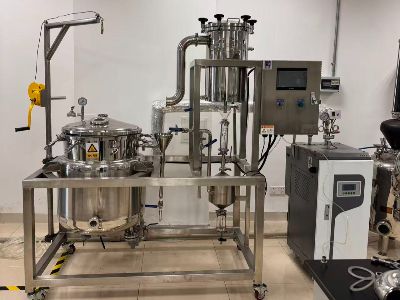
Efficient extraction of botanical oils is crucial for industries ranging from food and pharmaceuticals to cosmetics and natural health products. A plant oil extractor maximizes botanical oil recovery by utilizing advanced extraction methods to ensure high yields and purity of the extracted oils. This article will address key concerns for B2B buyers, including the operational efficiency of extractors, sourcing considerations, quality control, and installation guidance. Understanding these aspects will help purchasing managers and engineers make informed decisions when selecting a plant oil extractor for their operations.
How Does a Plant Oil Extractor Ensure Efficient Oil Recovery?
A plant oil extractor employs various technologies to optimize the extraction process, which is essential for maximizing oil recovery. The two most common extraction methods are solvent extraction and cold pressing.
Solvent Extraction: This method utilizes organic solvents to dissolve the oils from the plant material. The use of solvents allows for a more thorough extraction, often resulting in higher yields compared to mechanical methods. However, it's critical to select a solvent that is food-grade and compatible with the desired application, as residual solvents can affect oil purity.
Cold Pressing: This mechanical method involves crushing the plant material without the application of heat, preserving the oil's natural properties. While it may yield less oil than solvent extraction, cold pressing is preferred for high-quality oils, especially in the food and cosmetic industries, where purity is paramount.
Key Factors Influencing Efficiency:
Temperature Control: Maintaining optimal temperatures during extraction is vital. Excessive heat can degrade oil quality, while too low temperatures may result in incomplete extraction.
Material Quality: The quality and type of plant material significantly affect oil recovery. Fresh, high-quality biomass will yield better results than dried or low-quality inputs.
Extractor Design: The design of the natural oil extractor, including its capacity and efficiency ratings, plays a crucial role in determining the overall oil recovery rate.
Where to Source Reliable Plant Oil Extractors for Wholesale Orders?
When sourcing plant oil extractors for wholesale orders, it's important to consider several factors to ensure you select a reliable supplier. Shanghai Ruiyuan Machinery Co., Ltd. specializes in manufacturing high-quality plant essential oil extractor equipment, providing a solid option for businesses seeking efficient solutions.
Sourcing Considerations:
Reputation and Experience: Look for suppliers with a strong reputation and extensive experience in the industry. Manufacturers like Ruiyuan, known for their expertise in fermentation and extraction technologies, are preferable.
Customization Options: Depending on your specific needs, you may require customized equipment. Ensure the supplier offers flexibility in terms of size, capacity, and design alterations.
After-Sales Support: A supplier that provides comprehensive after-sales support, including installation, maintenance, and training, can significantly reduce operational challenges post-purchase.
Common Sourcing Channels:
Direct Manufacturer: Engaging directly with manufacturers can provide better pricing and customization options.
Trade Shows: Attending industry trade shows allows you to interact with multiple suppliers, compare products, and even see equipment demonstrations.
Online Marketplaces: While platforms like Alibaba can provide access to a wide variety of suppliers, due diligence is essential to verify their credibility and product quality.
What You Need to Know?
Before investing in a plant oil extractor, there are essential specifications and features to consider. Understanding these aspects will help ensure that the equipment meets your operational requirements.
Key Specifications:
Capacity: Determine the required processing capacity based on your production needs. Most extractors have a defined output measured in liters or kilograms per hour.
Material of Construction: Stainless steel is often preferred for its durability and resistance to corrosion, especially in food-grade applications. Verify that the material meets industry standards.
Energy Efficiency: Look for models that offer energy-efficient operation. This not only reduces operational costs but also aligns with sustainability goals.
Operational Considerations:
Maintenance Requirements: Understand the maintenance needs of the extractor. Equipment with complex designs may require more frequent servicing, impacting downtime.
Ease of Use: Evaluate the usability of the equipment. Intuitive controls and automation can significantly reduce the learning curve for operators.
Quality Control Measures for Optimal Botanical Oil Extraction
Quality control is vital throughout the extraction process to ensure the final product meets industry standards and customer expectations. Here are essential measures to implement:
Pre-Extraction Quality Checks:
Raw Material Inspection: Ensure that the plant material is free from contaminants and meets specified quality standards before extraction begins. This may involve moisture content analysis and quality grading.
In-Process Monitoring:
Temperature and Pressure Control: Continuously monitor operational parameters during extraction to maintain ideal conditions. Any deviations can affect oil quality and yield.
Sampling and Testing: Regularly sample the oil during extraction for laboratory testing. This helps in identifying potential quality issues early on.
Post-Extraction Quality Verification:
Final Product Testing: Conduct thorough testing of the extracted oil for purity, potency, and safety. This may include chemical analysis and sensory evaluations.
Implementing a robust quality management system will help in maintaining consistent product quality and compliance with industry regulations.
Installation Guidance for Maximizing Plant Oil Extractor Performance
Proper installation of a plant oil extractor is crucial for optimal performance and longevity. Here are key steps to ensure a successful setup:
Site Preparation:
Space Requirements: Ensure that adequate space is available for the extractor, including room for operators and maintenance access.
Utilities Setup: Confirm that necessary utilities such as electricity, water, and compressed air are available at the installation site.
Installation Process:
Follow Manufacturer Guidelines: Strictly adhere to the manufacturer's installation instructions to avoid operational issues. This includes connecting components, securing the extractor, and ensuring that all safety measures are in place.
Calibration: After installation, calibrate the machine according to the manufacturer's specifications to ensure accurate operation.
Training:
Operator Training: Conduct comprehensive training sessions for operators to familiarize them with the equipment's functionality, safety procedures, and maintenance requirements. This can significantly reduce the risk of operational errors and enhance efficiency.
By following these installation guidelines, businesses can ensure that their plant oil extractor operates at peak performance, delivering high-quality botanical oils efficiently.