 EN

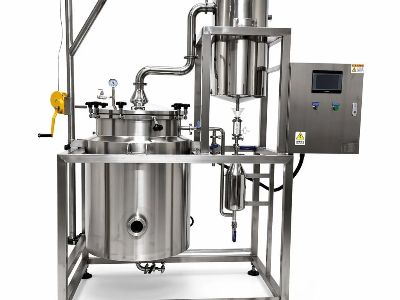
The relationship between condensation performance and aromatherapy distiller output is crucial for manufacturers and suppliers in the essential oil industry. Understanding this relationship helps in making informed purchasing decisions regarding distillation equipment. Buyers, such as purchasing managers and product managers, are often concerned with the specifications, efficiency, and reliability of distillation systems. This article will provide insights into key specifications, supplier sourcing, quality control measures, installation guidance, and common problems related to aromatherapy distillers.
Key Specifications for Evaluating Aromatherapy Distillers
When selecting an aromatherapy distiller, several key specifications should be carefully evaluated to ensure optimal performance. The first is the distillation method, which can significantly affect both condensation performance and output. Common methods include steam distillation, hydro distillation, and solvent extraction. Each method has different efficiencies and suitability depending on the type of essential oils being extracted. Next, consider the capacity of the distiller, often expressed in liters per hour. This specification impacts production efficiency and should align with expected output needs. For example, a larger distiller may be necessary for high-volume production, while smaller models may suffice for batch testing or smaller operations. Material quality is another critical factor. essential oil distiller for sale made from stainless steel or glass are preferred as they resist corrosion and do not react with essential oils, ensuring product purity. Additionally, temperature control systems can enhance distillation efficiency, allowing for precise control over the distillation process, which directly correlates with the quality of the output.
Where to Find Reliable Suppliers for Aromatherapy Distillers?
Finding reliable suppliers for aromatherapy distillers requires a strategic approach. Start by researching manufacturers with a proven track record in the production of distillation equipment. Industry trade shows and online B2B marketplaces can serve as excellent platforms for discovering reputable suppliers. Networking with industry peers can also provide valuable insights and recommendations. Many professionals in the aromatherapy and essential oil sectors have firsthand experience with various suppliers and can share their experiences. Additionally, checking online reviews and testimonials can help gauge the reliability and quality of potential suppliers. When evaluating suppliers, consider their manufacturing capabilities and whether they offer customization options. Some manufacturers may provide tailored distillation systems to meet specific production needs, which can be a significant advantage.
Quality Control Measures for Aromatherapy Distillation Equipment
Quality control is vital in the manufacturing process of aromatherapy distillers to ensure consistent performance and output quality. A reputable manufacturer should implement comprehensive quality assurance processes, including material inspection, in-process testing, and final product evaluation. Materials used in the construction of home essential oil distiller should be sourced from certified suppliers to ensure compliance with industry standards. For instance, stainless steel components should meet specific grades to prevent contamination during distillation. Regular testing of the distillation equipment is essential. This can include checking for leaks, ensuring proper temperature regulation, and verifying that all parts function correctly. Additionally, manufacturers should provide documentation of quality control inspections, which can be invaluable for potential buyers looking to verify supplier reliability.
Installation Guidance for Efficient Aromatherapy Distillers
Proper installation of aromatherapy distillers is crucial for maximizing their efficiency and output. Before installation, it's essential to evaluate the site conditions, including access to utilities like water and electricity, as well as adequate ventilation. A detailed installation manual should be provided by the manufacturer, outlining step-by-step procedures. It's advisable for buyers to work closely with the supplier during installation to ensure all components are correctly assembled and calibrated. After installation, conducting a trial run can help identify any potential issues before full-scale operation begins. During this testing phase, monitor the distillation process closely to ensure that condensation performance aligns with expectations. Any discrepancies can be addressed promptly to avoid long-term issues.
Common Problems with Distillation and Their Practical Solutions
Distillation processes can present various challenges that may affect output and quality. One common problem is the presence of contaminants in the distilled product. This issue can often arise from using substandard materials or improper cleaning of the equipment. To mitigate this risk, ensure that all components are made from high-grade materials and that thorough cleaning protocols are in place before and after each use. Another frequent issue is inadequate temperature control, which can lead to poor condensation performance. This can be resolved by investing in distillers with advanced temperature regulation systems. Regular maintenance checks on heating elements and thermostats can also help ensure consistent performance. Lastly, vapor lock can occur if the distillation system is not correctly configured, leading to inefficient output. To solve this issue, ensure that the distiller is appropriately sized for the essential oil extractor distiller intended volume and that all connections are secure to allow for optimal vapor flow. By addressing these common problems proactively, manufacturers and suppliers can enhance the reliability and performance of their aromatherapy distillation processes.
Table of Contents
- Key Specifications for Evaluating Aromatherapy Distillers
- Where to Find Reliable Suppliers for Aromatherapy Distillers?
- Quality Control Measures for Aromatherapy Distillation Equipment
- Installation Guidance for Efficient Aromatherapy Distillers
- Common Problems with Distillation and Their Practical Solutions