 EN

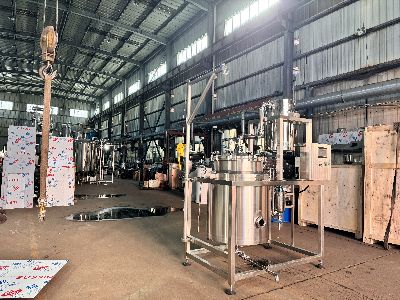
Steam control plays a pivotal role in the operation of hydrosol distillation equipment, significantly impacting the quality and yield of the extraction process. For B2B buyers in the food, dairy, biotech, chemical, and pharmaceutical industries, understanding why steam control is essential is crucial for optimizing production efficiency. This article will delve into the importance of steam control in hydrosol distiller, guide you in selecting the right steam control systems, highlight key specifications to consider, compare various options, and address common steam control issues along with their solutions.
Why Steam Control is Critical for Efficient Hydrosol Distillation?
Steam control is fundamental in hydrosol distillation as it directly influences the temperature and pressure conditions necessary for effective extraction. Inadequate steam management can lead to inconsistent product quality, reduced yield, and even equipment damage. For instance, if the steam pressure is too high, it can cause overheating, resulting in the degradation of sensitive compounds within the hydrosol distillation equipment. Conversely, insufficient steam can lead to incomplete distillation, where desired aromatic compounds fail to be extracted.
Effective steam control ensures that the distillation process operates within optimal parameters, facilitating the extraction of high-quality hydrosols while maximizing energy efficiency. For buyers, this translates to lower operational costs and higher-quality end products, which are critical in competitive markets. Understanding the nuances of steam control can empower purchasing managers and engineers to make informed decisions regarding equipment procurement and process optimization.
How to Choose the Right Steam Control for Your Distillation Needs?
Selecting the right steam control system for hydrosol distillation involves assessing several factors, including the scale of operation, the nature of the material being distilled, and specific process requirements. Key considerations include:
Type of Control System: Options range from manual valves to advanced automated systems with feedback loops. Automated systems can offer more precise control, reducing the risk of human error.
Compatibility with Existing Equipment: Ensure the steam control system is compatible with your current distillation setup. This will minimize installation issues and ensure consistent performance.
Response Time: Evaluate how quickly the system can respond to changes in pressure and temperature. Faster response times can enhance product quality by maintaining optimal conditions.
Material Specifications: The materials used in the steam control component should withstand the operating pressure and temperature, as well as any chemical exposure from the process.
Maintenance Requirements: Consider the maintenance needs of the steam control system. Systems that require frequent maintenance can lead to increased downtime and higher operational costs.
By understanding these factors, buyers can align their steam control selection with their operational goals and enhance the distillation process's overall efficiency.
Key Specifications of Steam Control in Hydrosol Equipment
When evaluating steam control systems for hydrosol distillation, several key specifications should be examined:
Pressure Rating: The steam system should be rated for the maximum pressure expected during operations. A mismatch can lead to equipment failure or safety hazards.
Temperature Range: Ensure that the steam control components can operate within the temperature range required for your specific distillation process. Components that cannot withstand high temperatures may degrade over time.
Flow Rate: The system should support the required steam flow rate necessary for effective distillation. Insufficient flow can lead to poor extraction performance.
Control Accuracy: Look for systems that offer precise control capabilities, allowing for fine adjustments to pressure and temperature. This is particularly important for sensitive distillates.
Safety Features: Check for safety mechanisms such as pressure relief valves and automatic shut-off systems to protect against overpressure conditions.
Understanding these specifications can help buyers make informed decisions and select steam control systems that align with their operational needs.
Comparing Steam Control Options for Hydrosol Distillation Systems
When comparing steam control options, it’s essential to evaluate both traditional and modern technologies. Here are some common types of steam control systems:
Manual Control Valves: While cost-effective, manual valves require consistent monitoring and adjustment, which can lead to inconsistencies in steam delivery.
Electronic Control Systems: These systems utilize sensors and programmable logic controllers (PLCs) for automated adjustments, ensuring optimal steam conditions throughout the distillation process.
Integrated Steam Management Systems: These offer advanced features, such as real-time monitoring and data logging, which can help in optimizing the distillation process and troubleshooting issues quickly.
Smart Steam Control Solutions: Emerging technologies incorporate IoT devices for remote monitoring and control, offering enhanced flexibility and efficiency.
When comparing these options, consider not only the initial costs but also long-term operational efficiency, reliability, and support services from the manufacturer.
Common Problems with Steam Control and Their Solutions
Despite the importance of steam control, several common issues can arise, impacting the effectiveness of hydrosol distillation:
Pressure Fluctuations: Instability in steam pressure can lead to inconsistent distillation results. Solutions include installing pressure regulators and ensuring that steam traps are functioning correctly.
Steam Leaks: Leaks can reduce system efficiency and lead to increased operational costs. Regular maintenance checks and prompt repairs can mitigate this issue.
Inadequate Heating: Failure to reach the desired temperature can result from poor steam quality or insufficient flow. Regular monitoring and maintenance of the steam generation system can help maintain quality and flow rates.
Control Failures: Automated systems may experience failures due to software glitches or hardware malfunctions. Implementing a robust monitoring system can provide alerts for immediate troubleshooting.
Understanding these common problems allows buyers to proactively address issues and ensure a smoother operation of their hydrosol distillation kit equipment.
Effective steam control is vital for optimizing hydrosol distillation equipment, directly impacting the quality and efficiency of the extraction process. By considering critical specifications, selecting the right control systems, and being aware of common issues and solutions, B2B buyers can enhance their production capabilities and ensure high-quality outputs in their respective industries.
Table of Contents
- Why Steam Control is Critical for Efficient Hydrosol Distillation?
- How to Choose the Right Steam Control for Your Distillation Needs?
- Key Specifications of Steam Control in Hydrosol Equipment
- Comparing Steam Control Options for Hydrosol Distillation Systems
- Common Problems with Steam Control and Their Solutions