 EN

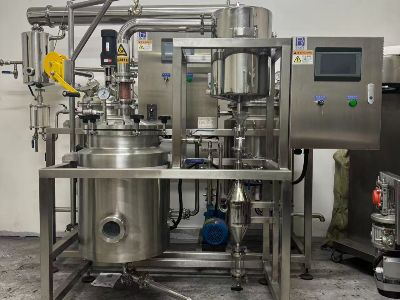
Hydrosol distillation equipment is essential for producing high-quality floral water, a byproduct of the steam distillation process used to extract essential oils from plants. For B2B buyers, understanding the specifications, capabilities, and common issues associated with this equipment is crucial for making informed purchasing decisions. This article will explore how hydrosol distiller equipment operates, the key factors that influence quality, and important considerations for sourcing the right equipment.
Key Specifications to Consider for Hydrosol Distillation Equipment
When selecting hydrosol distillation equipment, several specifications should be prioritized to ensure optimal performance and product quality. These include:
Distillation Capacity: The equipment's capacity, typically measured in liters per hour, must align with production needs. A larger capacity is beneficial for bulk production, but it should also match the scale of your operation.
Material Construction: Equipment made from stainless steel is preferred due to its corrosion resistance and ease of cleaning, which is critical for maintaining product quality. Additionally, ensure that any gaskets or seals used are made from high-quality, food-grade materials to prevent contamination.
Heat Source: The type of heating (e. g., steam, direct fire, or electric) can affect the efficiency of the distillation process. Buyers should consider the energy consumption and the consistency of the heat source, as fluctuations can impact the quality of the final product.
Control Systems: Advanced hydrosol distillation systems often feature automated control systems that monitor temperature and pressure, ensuring optimal distillation conditions. Buyers should evaluate the sophistication of these controls and their ease of use.
Filtration Systems: Effective filtration systems are vital for achieving high purity in the final product. Assess the filtration method used whether it’s mechanical, chemical, or membrane filtration and ensure it meets the desired quality standards.
Understanding these specifications helps buyers align their operational requirements with the capabilities of the hydrosol distillation equipment.
Comparing Hydrosol Distillation Equipment for Bulk Purchasing
When considering bulk purchasing of hydrosol distillation equipment, it's essential to compare options based on several criteria:
Performance Metrics: Compare the efficiency rates of different models. This includes the yield of floral water relative to the amount of raw material processed. An efficient system will maximize output while minimizing waste.
Technology and Features: Some manufacturers offer advanced features like integrated monitoring systems, automatic cleaning capabilities, and enhanced heat exchange designs. Evaluate which features are critical for your operations to justify the investment.
Supplier Reputation: Research the supplier’s track record in the industry. Consider their experience in manufacturing hydrosol distillation systems and the feedback from previous clients regarding performance and support.
Customization Options: Depending on specific production needs, some buyers may require customized equipment. Assess the supplier's willingness to accommodate specific requests regarding size, capacity, or additional features.
Warranty and Support: Evaluate the warranty terms offered by different suppliers, along with their post-purchase support and maintenance services. A supplier that provides robust support can significantly reduce downtime and maintenance costs.
By systematically comparing these factors, buyers can make more informed decisions that align with their operational goals.
How to Choose the Right Hydrosol Distillation Equipment Supplier?
Selecting the right supplier for hydrosol distillation equipment is crucial for ensuring quality and reliability. Here are key factors to consider:
Industry Expertise: Look for suppliers with extensive experience in the manufacturing of distillation equipment, specifically for floral water production. Their understanding of the unique challenges and requirements of the industry can be invaluable.
Quality Certifications: Verify that the supplier adheres to international quality standards, such as ISO certifications. This reflects their commitment to quality control and manufacturing excellence.
Client References and Case Studies: Request references or case studies from past clients who have purchased similar equipment. This can provide insights into the supplier’s reliability and the performance of their equipment in real-world applications.
Technical Support and Training: Ensure the supplier offers comprehensive technical support, including installation, training, and ongoing maintenance. This support is crucial for maximizing the efficiency of the equipment.
Location and Logistics: Consider the supplier's location and their ability to deliver equipment in a timely manner. Proximity can also facilitate easier communication and quicker responses to issues that may arise.
By focusing on these aspects, buyers can establish a relationship with a supplier that is equipped to meet their specific needs.
Understanding Cost Factors in Hydrosol Distillation Equipment
The cost of hydrosol distillation equipment can vary significantly based on several factors:
Initial Investment: The upfront cost is influenced by the hydrosol distillation kit equipment's capacity, materials, technology, and additional features. Generally, higher-capacity and advanced models will have a higher price tag.
Operational Costs: Consider ongoing operational expenses, including energy consumption, maintenance, and labor. Efficient machines may have a higher initial cost but can lead to lower operational costs over time.
Customization Costs: If customization is required to meet specific production needs, this can add to the overall cost. Buyers should obtain detailed quotes that outline these additional expenses.
Shipping and Installation: Factor in the costs associated with shipping and installation, especially if sourcing equipment from international suppliers. Ensure that these costs are clearly defined in the purchase agreement.
Long-term Value: Assess the long-term value by considering the equipment's lifespan, reliability, and the potential return on investment. Investing in high-quality equipment may reduce future replacement and repair costs.
Understanding these cost factors can help buyers budget effectively and ensure they are making a sound investment.
Common Problems with Hydrosol Distillation and Their Solutions
While hydrosol distillation is a reliable process, buyers should be aware of potential challenges:
Contamination Issues: Contamination can occur if proper sanitation practices are not followed. To mitigate this, ensure that all equipment components are made from food-grade materials and conduct regular cleaning and maintenance.
Inconsistent Quality: Variability in raw materials can lead to inconsistent quality in the final product. Establishing a reliable sourcing strategy for high-quality plant materials is crucial for maintaining product standards.
Equipment Failures: Mechanical issues can arise, leading to unexpected downtimes. Regular maintenance and prompt troubleshooting can minimize disruptions. It’s advisable to work with suppliers who offer comprehensive support and spare parts availability.
Overheating or Underheating: Incorrect temperature settings can affect the efficiency of the distillation process. Implementing automated monitoring systems can help maintain consistent temperature control, which is critical for quality.
Yield Loss: If the distillation process is not optimized, yield losses can occur. Buyers should work closely with equipment suppliers to fine-tune settings based on the specific characteristics of the raw materials being processed.
By recognizing these common problems and their solutions, buyers can enhance the reliability and efficiency of their hydrosol distillation processes.
Table of Contents
- Key Specifications to Consider for Hydrosol Distillation Equipment
- Comparing Hydrosol Distillation Equipment for Bulk Purchasing
- How to Choose the Right Hydrosol Distillation Equipment Supplier?
- Understanding Cost Factors in Hydrosol Distillation Equipment
- Common Problems with Hydrosol Distillation and Their Solutions