 EN

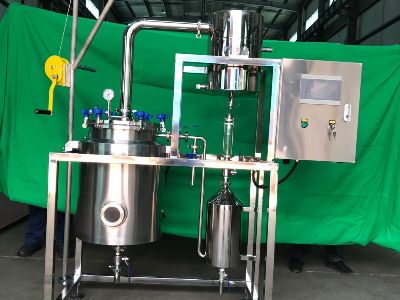
Optimizing raw material utilization is critical for manufacturers, especially in industries such as food, dairy, and pharmaceuticals. A plant oil extractor is an essential tool that can significantly enhance this optimization process. We will explore how to optimize raw material utilization with a plant oil extractor, addressing key specifications, options for wholesale buyers, quality control measures, installation challenges, and practical solutions to maximize efficiency.
Key Specifications to Evaluate in Plant Oil Extractors
When selecting a plant oil extractor, several key specifications should be evaluated to ensure optimal performance and efficiency. Key specifications include extraction capacity, the type of extraction method (such as cold pressing or solvent extraction), and operational temperature ranges.
Extraction Capacity: This specification indicates how much raw material can be processed within a specific timeframe. Understanding your production demands will help in choosing a model that aligns with your operational goals.
Extraction Method: Different methods yield different results. Cold pressing is ideal for preserving the natural flavors and nutrients of oils, while solvent extraction can extract more oil but may require additional processing to remove solvents. Buyers should assess their product goals and choose accordingly.
Temperature Control: The ability to maintain specific temperature ranges during extraction is crucial. High temperatures can degrade oil quality, while inadequate temperatures can lead to lower yields. Look for plant essential oil extractor with precise temperature control systems to avoid these issues.
Material Compatibility: Ensure that the extractor's materials can withstand the specific oils and solvents used in your processes. This is crucial for both performance and compliance with health standards.
Plant Oil Extractor Options for Wholesale Buyers
Wholesale buyers have several options when it comes to plant oil extractors, catering to varying production scales and budget considerations.
Batch vs. Continuous Extractors: Batch extractors are suitable for smaller operations or those experimenting with different oils, while continuous extractors are better for larger-scale operations requiring consistent output.
Size and Capacity Variations: Depending on your production needs, you can find flower oil extractor designed for small-scale lab use or larger industrial applications. Understanding your volume requirements will guide your selection.
Customization Options: Many manufacturers, including Shanghai Ruiyuan Machinery Co., Ltd., offer customization capabilities to tailor the extractor to specific needs, such as unique material handling features or specific capacity requirements.
Pricing Factors: The cost of extractors can vary significantly based on capacity, features, and manufacturer reputation. Buyers should consider total cost of ownership, including maintenance and operational costs, rather than just the initial purchase price.
Quality Control Measures for Plant Oil Extraction Equipment
Implementing quality control measures is essential to ensure that the plant oil extraction process meets industry standards and customer expectations.
Material Inspection: Before production, inspect raw materials for quality. This includes checking for contaminants, moisture content, and overall quality of the plant material used for extraction.
Operational Testing: Conduct regular operational tests to ensure that the extractor performs as expected. This includes monitoring extraction yield and oil quality throughout the process.
Calibration and Maintenance: Regularly calibrate the equipment to maintain high precision during extraction. Scheduled maintenance is crucial to prevent breakdowns and ensure consistent performance.
Documentation and Compliance: Keep thorough records of extraction processes and results. This documentation is vital for compliance with health and safety regulations in the food and pharmaceutical sectors.
Common Installation Challenges with Plant Oil Extractors
Installing a plant oil extractor involves several challenges that can affect production efficiency if not properly addressed.
Space Constraints: Ensure that your facility has adequate space for the extractor and any associated equipment. Consider not just the footprint of the machine but also the space required for maintenance and operation.
Utility Requirements: Verify that your facility can meet the utility requirements for the extractor, including electrical power, water supply, and ventilation. Inadequate utilities can hinder operation and lead to increased costs.
Operator Training: Proper training for operators is essential to prevent operational errors and maximize extractor efficiency. Ensure that your team understands the equipment's functioning and maintenance needs.
Integration with Existing Systems: If the extractor needs to be integrated into an existing production line, consider compatibility with current equipment and workflows. This may involve additional investments in customization or modifications.
Solutions to Optimize Raw Material Utilization with Extractors
To get the most out of a plant oil extractor and improve raw material utilization, consider the following solutions:
Process Optimization: Analyze the extraction process continuously to identify areas for improvement. Adjust variables such as temperature, extraction time, and pressure to maximize yield without compromising quality.
Quality Raw Materials: Invest in high-quality raw materials to ensure better extraction yields and oil quality. The foundation of successful extraction lies in the quality of the starting materials.
Data-Driven Decisions: Utilize data analytics to monitor extraction performance and identify trends over time. This data can inform adjustments in operational parameters to enhance efficiency.
Regular Maintenance: Establish a robust maintenance schedule to ensure that the extractor operates at peak performance. Regular checks can prevent costly downtime and extend the lifespan of the equipment.
By understanding the specifications, options, quality controls, installation challenges, and optimization strategies for plant oil extractors, manufacturers can significantly enhance their raw material utilization. Investing in the right equipment and processes not only improves efficiency but also contributes to higher quality end products, ultimately benefiting your bottom line.