 EN

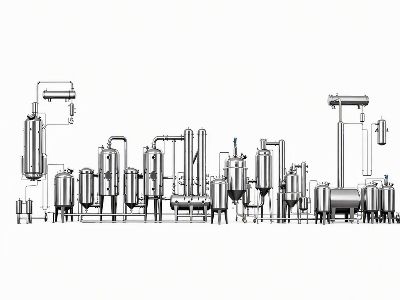
In the rapidly evolving landscape of industrial extraction, ultrasonic extraction machines have emerged as a pivotal technology for enhancing efficiency and maximizing yields. This article explores the latest trends in ultrasonic extraction machine development, focusing on key considerations such as sourcing reliable equipment, conducting quality and cost analyses, installation guidelines, troubleshooting common issues, and understanding material advantages. For purchasing managers and engineers in sectors like food, pharmaceuticals, and chemicals, this information is crucial for making informed decisions that align with operational and budgetary goals.
Where to Source Reliable Ultrasonic Extraction Equipment Wholesale?
When sourcing ultrasonic extraction machines, buyers should focus on established manufacturers known for their expertise and reliability. Companies like Shanghai Ruiyuan Machinery Co., Ltd. specialize in producing pilot and lab-scale equipment, which are critical for efficient extraction processes in various industries. Buyers should consider suppliers with a robust track record in the specific application area be it food, dairy, biotech, or pharmaceuticals ensuring that the machinery meets industry standards and application requirements. In addition, attending industry trade shows can provide direct access to manufacturers and the opportunity to evaluate equipment firsthand. Online platforms dedicated to industrial machinery can also be beneficial, allowing buyers to compare specifications and pricing. Establishing a relationship with suppliers who offer comprehensive support and customization options can further enhance purchasing decisions.
Quality and Cost Analysis
Quality and cost are often at the forefront of any purchasing decision regarding ultrasonic extraction machines. Buyers should evaluate several factors during this analysis:
Specifications and Performance: Assess the machine's specifications, including frequency ranges, power output, and extraction efficiency. These factors directly affect the machine's performance and suitability for specific applications.
Material Selection: The materials used in the construction of ultrasonic extraction machines can impact durability and operational efficiency. Stainless steel is commonly preferred for its corrosion resistance and longevity, especially in food and pharmaceutical applications.
Customization Options: Evaluate whether the manufacturer provides customization options. Customization can lead to better fit and performance for specific processes, potentially justifying a higher cost.
Total Cost of Ownership: Beyond initial purchase price, buyers should consider maintenance costs, energy consumption, and the expected lifespan of the equipment. A lower upfront cost may lead to higher long-term expenses if the equipment is not efficient or durable.
By conducting a thorough quality and cost analysis, buyers can make more informed decisions that align with their financial and operational objectives.
Installation Guidelines for Ultrasonic Extraction Machines in Manufacturing
Proper installation of ultrasonic extraction machines is critical to ensure optimal performance. Here are essential guidelines for installation:
Site Preparation: Before installation, ensure that the site meets all requirements for electrical and plumbing connections. The area should also provide adequate space for maintenance and operation.
Calibration and Testing: Once installed, perform calibration according to the manufacturer’s guidelines. This process may involve adjusting settings to optimize essential oil extraction machine efficiency based on specific material characteristics.
Training and Safety Protocols: Provide training for operators on the correct use of the machine and establish safety protocols. Understanding the operational parameters and safety measures is key to preventing accidents and ensuring efficient operation.
Support and Maintenance: Establish a plan for ongoing maintenance and support with the manufacturer. Regular maintenance checks can help identify potential issues before they escalate, ensuring prolonged machine life.
Following these installation guidelines can help manufacturers maximize the performance of their ultrasonic extraction machines.
Common Problems with Ultrasonic Extraction and Their Solutions
Despite their advantages, ultrasonic extraction machines may encounter several common problems. Here are some issues and their solutions:
Insufficient Extraction Efficiency: If the extraction yield is lower than expected, check the frequency settings and ensure that they are optimized for the material being processed. Adjusting the amplitude can also improve extraction efficiency.
Overheating: Machines may overheat if they are running continuously without proper cooling. Ensure that the cooling systems are functioning correctly and consider implementing a break schedule to allow the machine to cool down.
Clogging: Material buildup can lead to clogging within the system. Regular cleaning and maintenance are essential to prevent this issue. Implementing filtration systems can also help reduce the frequency of clogging.
Noise Levels: Excessive noise may indicate that the mint oil extraction machine requires maintenance or that components are loose. Inspect and tighten components as necessary and consider sound-dampening solutions if noise is a concern.
By proactively addressing these common problems, manufacturers can maintain efficient operation and enhance the longevity of their equipment.
Understanding Material Advantages in Ultrasonic Extraction Technology
The choice of materials used in ultrasonic extraction machines is pivotal for achieving desired performance outcomes. Here are some advantages of specific materials:
Stainless Steel: Often used for contact parts due to its resistance to corrosion and ease of cleaning. This material is essential in industries like food and pharmaceuticals, where hygiene is critical.
Ceramic Components: In some instances, ceramic materials can offer superior resistance to wear and thermal shock, making them suitable for specific applications involving aggressive solvents or high-temperature processes.
Plastic and Composites: For non-contact parts, plastics and composite materials can reduce weight and costs while maintaining sufficient durability. However, their chemical compatibility with the intended solvents should be evaluated.
Custom Alloys: For specialized applications, manufacturers may use custom alloys to enhance performance under specific operational conditions, such as high pressure or extreme temperatures.
Understanding the material advantages associated with ultrasonic small essential oil extraction machine technology helps buyers select the right equipment that aligns with their processing needs and operational efficiencies. By considering these insights, potential buyers can better navigate the complexities of ultrasonic extraction technology, ensuring they make informed decisions that enhance their manufacturing processes.
Table of Contents
- Where to Source Reliable Ultrasonic Extraction Equipment Wholesale?
- Quality and Cost Analysis
- Installation Guidelines for Ultrasonic Extraction Machines in Manufacturing
- Common Problems with Ultrasonic Extraction and Their Solutions
- Understanding Material Advantages in Ultrasonic Extraction Technology