 EN

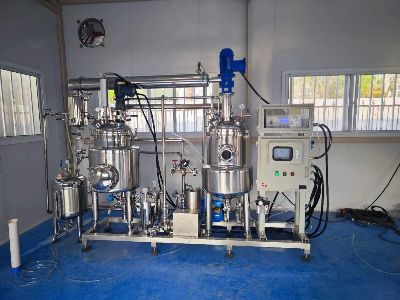
Ultrasonic extraction machines are specialized equipment designed to enhance the efficiency and quality of natural ingredient processing across various industries, including food, dairy, biotech, chemical, and pharmaceuticals. Understanding the science behind an ultrasonic extraction equipment for natural ingredient processing is crucial for B2B buyers, such as purchasing managers and engineers, who seek to optimize production and ensure high-quality outputs. This article will guide you through key specifications, quality enhancements, cost considerations, installation guidance, and common challenges associated with ultrasonic extraction.
Key Specifications of Ultrasonic Extraction Machines for Buyers
When evaluating ultrasonic extraction machines, several key specifications should be considered. These include:
Frequency and Power Output: The frequency of ultrasonic waves, typically measured in kilohertz (kHz), affects the intensity of cavitation bubbles formed during the extraction process. Higher frequencies may lead to finer extraction, while lower frequencies can promote larger bubble formation, enhancing the extraction of tougher materials.
Tank Capacity: The size of the extraction tank determines the volume of material that can be processed in one cycle. Buyers should assess their production needs to choose an appropriate capacity that balances efficiency and batch size.
Material Construction: The materials used in the construction of the ultrasonic extraction machine should be resistant to corrosion and suitable for the substances being extracted. Stainless steel is commonly preferred for its durability and hygiene standards, especially in food and pharmaceutical applications.
Temperature Control: Some ultrasonic extraction processes may require temperature regulation to optimize extraction efficiency. Machines equipped with integrated heating or cooling systems allow for precise control over extraction conditions.
Automation Features: Advanced models may come with automated controls for process monitoring and adjustments, which can enhance consistency and reduce labor costs.
By understanding these specifications, buyers can make informed decisions that align with their production requirements and operational goals.
How Ultrasonic Extraction Enhances Natural Ingredient Quality?
Ultrasonic extraction significantly improves the quality of natural ingredients by optimizing the extraction process. The key benefits include:
Increased Yield: The cavitation process creates microbubbles that implode, resulting in the disruption of cell walls in plant materials. This enhances the release of bioactive compounds, leading to higher extraction yields compared to traditional methods.
Preservation of Nutrients: The gentle nature of ultrasonic extraction minimizes thermal degradation of sensitive compounds, preserving the nutritional and functional properties of natural ingredients. This is particularly important in the food and pharmaceutical industries, where ingredient integrity is paramount.
Shorter Extraction Times: Ultrasonic extraction can significantly reduce the time required for extraction, allowing for faster production cycles. This is beneficial for manufacturers looking to increase throughput and respond quickly to market demands.
Improved Solubility: Ultrasonication enhances the solubility of extracts, which can improve the effectiveness of the final product in applications such as dietary supplements and functional foods.
This combination of advantages makes ultrasonic extraction an attractive option for companies aiming to produce high-quality natural ingredients.
Cost Factors to Evaluate for Ultrasonic Extraction Equipment
Several cost factors should be evaluated when considering the purchase of ultrasonic extraction machines:
Initial Investment: The upfront cost of the machine can vary significantly based on specifications, capacity, and technology. It's essential to balance initial costs with expected returns from improved yield and efficiency.
Operating Costs: Consider the energy consumption of the machine, maintenance requirements, and potential labor costs. Efficient machines may have higher initial costs but can lead to lower operating expenses over time.
Customization Needs: If specific production requirements necessitate customized features, this may increase the overall cost. Buyers should communicate their needs clearly to understand the financial implications of customizations.
Warranty and Support: Assess the manufacturer's warranty and after-sales support. A robust support system can mitigate long-term costs associated with repairs and downtime.
Return on Investment (ROI): Evaluate how quickly the improvements in efficiency and output will recoup the initial investment. This analysis can guide purchasing decisions and ensure alignment with budgetary constraints.
By carefully considering these cost factors, buyers can make more strategic decisions regarding their investments in ultrasonic extraction technology.
Installation Guidance for Ultrasonic Extraction Machines in Your Facility
Proper installation of ultrasonic extraction machines is critical for optimal performance. Here are some key guidelines:
Site Preparation: Ensure that the installation site meets space and environmental requirements. Consider access for maintenance and the necessary utilities, such as water and electricity.
Alignment and Leveling: The machine should be properly aligned and leveled during installation to prevent operational issues. Misalignment can lead to inefficient processing and increased wear on components.
Integration with Existing Systems: If the ultrasonic extraction machine is part of a larger production line, ensure compatibility with existing equipment. This may involve coordinating with engineers to integrate control systems and workflows.
Safety Protocols: Follow all safety guidelines during installation. This includes ensuring that emergency shut-off systems are operational and that operators are trained to use the equipment safely.
Initial Testing: After installation, conduct initial testing to verify that the machine operates according to specifications. This testing phase is crucial for troubleshooting any issues before full-scale production begins.
By following these installation guidelines, buyers can set the stage for successful operation and minimize disruptions during the integration of ultrasound assisted extraction machine.
Common Problems with Ultrasonic Extraction and Their Solutions
While ultrasonic extraction offers numerous benefits, users may encounter some common challenges:
Cavitation Issues: Insufficient cavitation can lead to lower extraction yields. This may occur if the power settings are too low or if the solvent is not suitable. Adjusting the power output and selecting the right solvent can help optimize cavitation.
Temperature Control Fluctuations: If the extraction process generates excess heat, it can degrade sensitive compounds. Implementing a robust temperature control system can mitigate this risk, ensuring that extraction conditions remain stable.
Material Compatibility: Certain materials may not respond well to ultrasonic extraction due to their chemical composition. Conducting preliminary tests can help determine the suitability of materials before full-scale extraction.
Equipment Maintenance: Regular maintenance is essential to prevent wear and tear on components, which can affect performance. Establishing a routine maintenance schedule and training staff on proper care can extend the lifespan of the equipment.
Scaling Challenges: What works well in a pilot or lab-scale setting may not translate directly to full-scale production. Conduct pilot tests to fine-tune parameters before scaling up, ensuring that processes remain efficient and yield quality outputs.
By proactively addressing these challenges, manufacturers can maximize the effectiveness of their ultrasonic extraction processes and ensure that they achieve the desired results.
Table of Contents
- Key Specifications of Ultrasonic Extraction Machines for Buyers
- How Ultrasonic Extraction Enhances Natural Ingredient Quality?
- Cost Factors to Evaluate for Ultrasonic Extraction Equipment
- Installation Guidance for Ultrasonic Extraction Machines in Your Facility
- Common Problems with Ultrasonic Extraction and Their Solutions